
Shoulder Surgery in Guadalajara
Orthopedic Traumatologist in Guadalajara

My priority is to restore mobility and quality of life to my patients through evidence-based treatments and state-of-the-art technology.

Top-Rated Service 2025
5.0 ★★★★★

775 Reviews
99%
Patients Satisfied with My Treatments ★★★★★

Shoulder surgery in Guadalajara
The most advanced techniques worldwide to provide the total resolution of your injury

Treatment for shoulder injuries
The best treatments for a faster and more efficient recovery

Shoulder physical therapy
The most precise Rehabilitation for specific pathologies

Medical evaluation and shoulder studies
Physical check-up and better imaging studies (MRI, CT SCAN, X-RAYS) at the best price

Hospitalization and emergencies
The fastest attention to those problems that cannot wait

Shoulder orthoses
The most advanced technologies in prosthetics worldwide for your specific problems
Shoulder surgery
The Shoulder is the body's joint with the greatest movement, it requires multiple structures (bones, ligaments, tendons, muscles) working in harmony to be able to perform the most basic functions (eating, grooming, dressing). The most frequently affected structure is the rotator cuff tendons. (Shoulder Surgery) The traumatologist is the specialist indicated for this shoulder surgery.
Rotator cuff
The rotator cuff is made up of four muscles that arise from the shoulder blade (also known as the scapula or shoulder blade) of the lower back, with tendons that attach to the head or ball of the humerus (the bone located at the top of the arm). These muscles and tendons are responsible for lifting and turning the arms. They also help keep the ball of the humerus firmly in the socket of the shoulder.
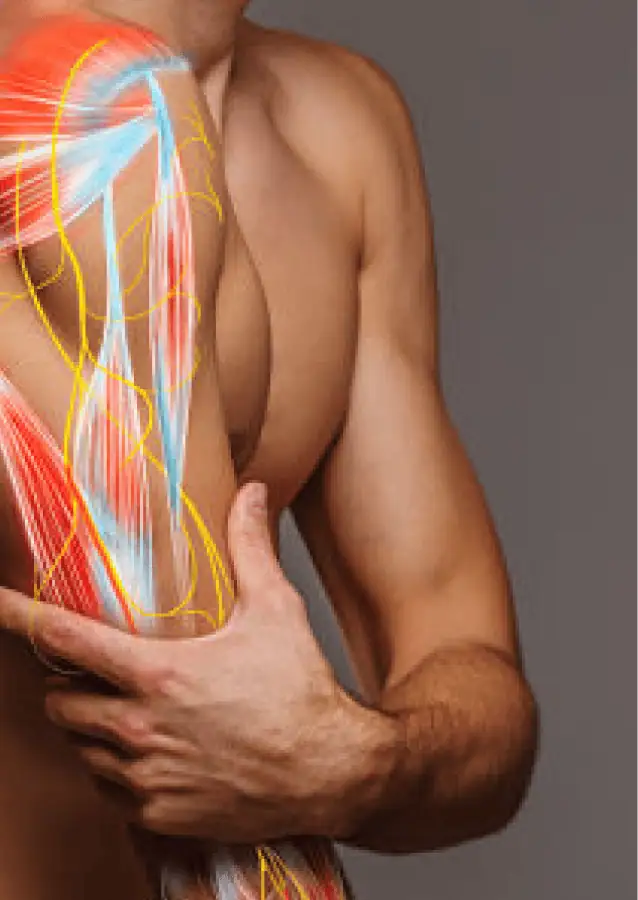
Rotator cuff arthroscopic surgery
A small camera is used which is inserted through a small cut.
Rotator cuff open surgery
A larger opening is made and the injury is repaired with common instruments.
Rotator cuff Mini-open surgery
First an arthroscope is used and later other surgical instruments.
Rotator cuff injury
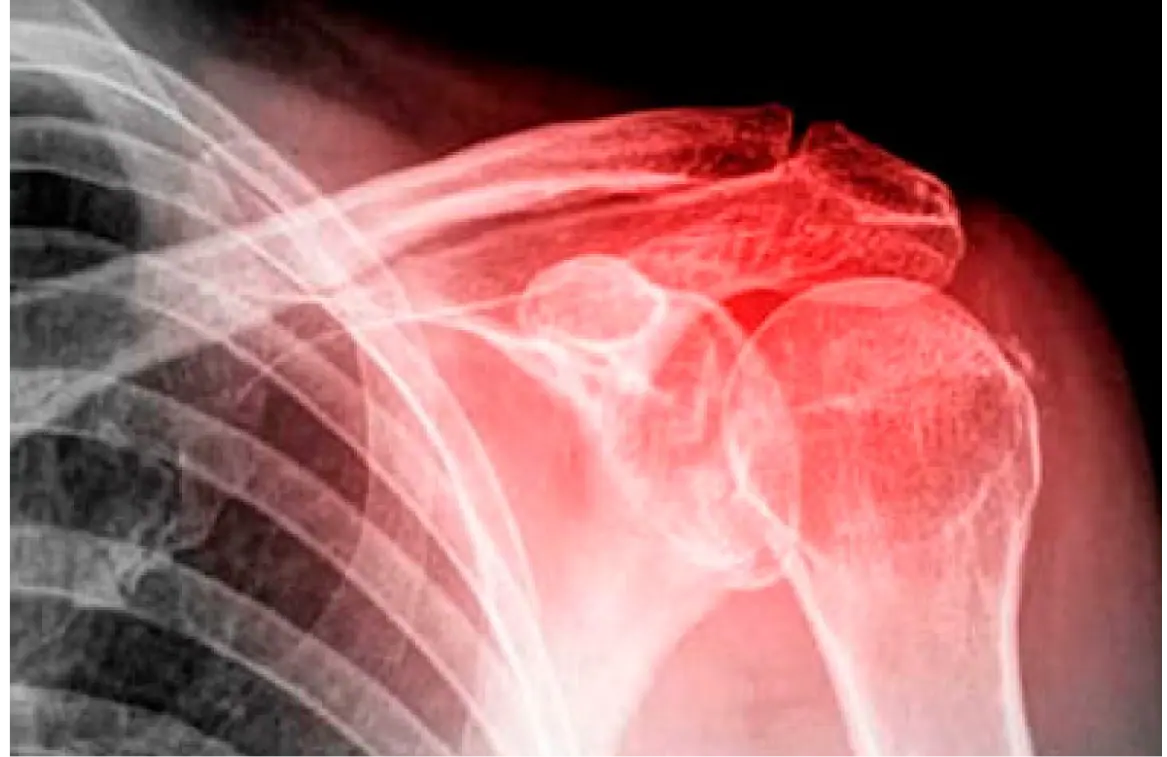
Injury severity
The tendons in the rotator cuff can become torn. In some cases, the injury may cause mild irritation, while in others, it can result in a complete tear.

Causes: Rotator cuff injuries
There are several reasons why a rotator cuff tendon may tear. The most common causes include sudden injury, repetitive overuse from daily activities or sports, and natural.
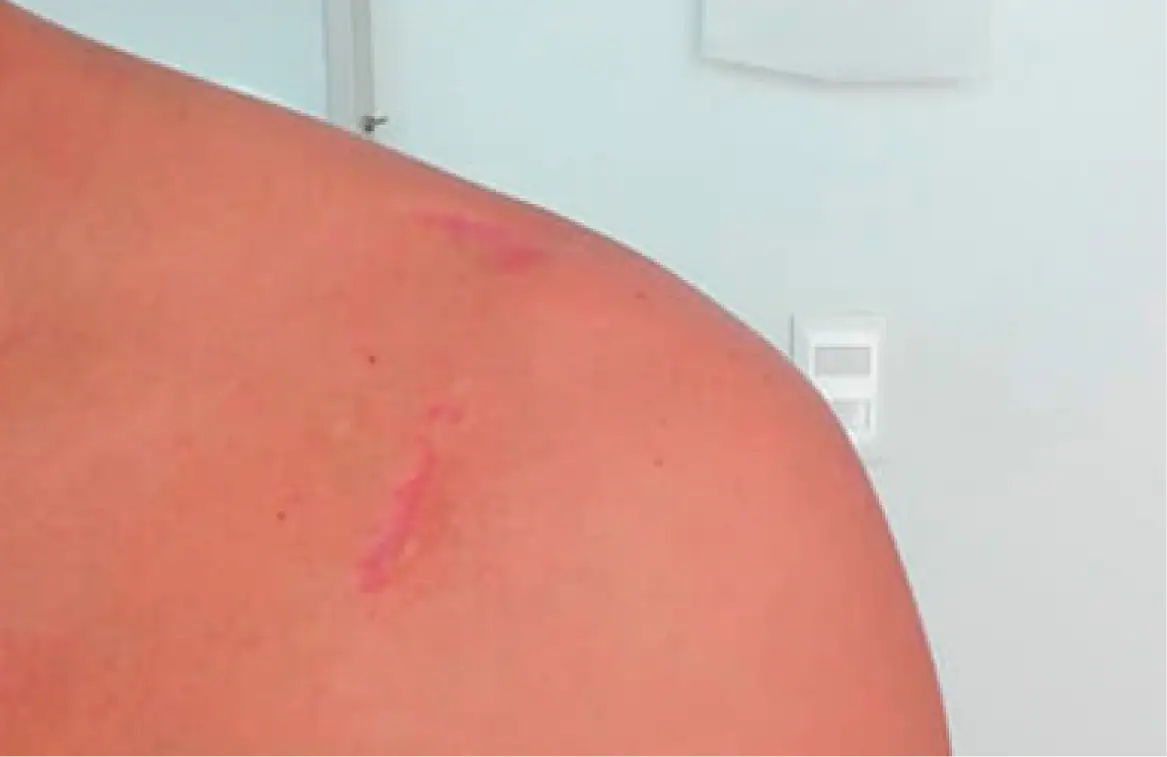
Rotator cuff treatment
There are currently two main treatment options: non-surgical treatment, such as physical therapy, and surgical treatment, with different surgical techniques available.
How does shoulder pain affect your life?
⬤ Limited movement
Even the simplest movements of the shoulder and arm can become very difficult and cause pain.
⬤ Swelling
Swelling is a natural reaction of the body to injuries, which is the most common cause of pain.
⬤ Pain
Pain may vary depending on the severity of the injury, it may be moderate or even severe pain.
⬤ Crunches and stiffness
You may notice cracking, popping, or "booming" when the shoulder moves.
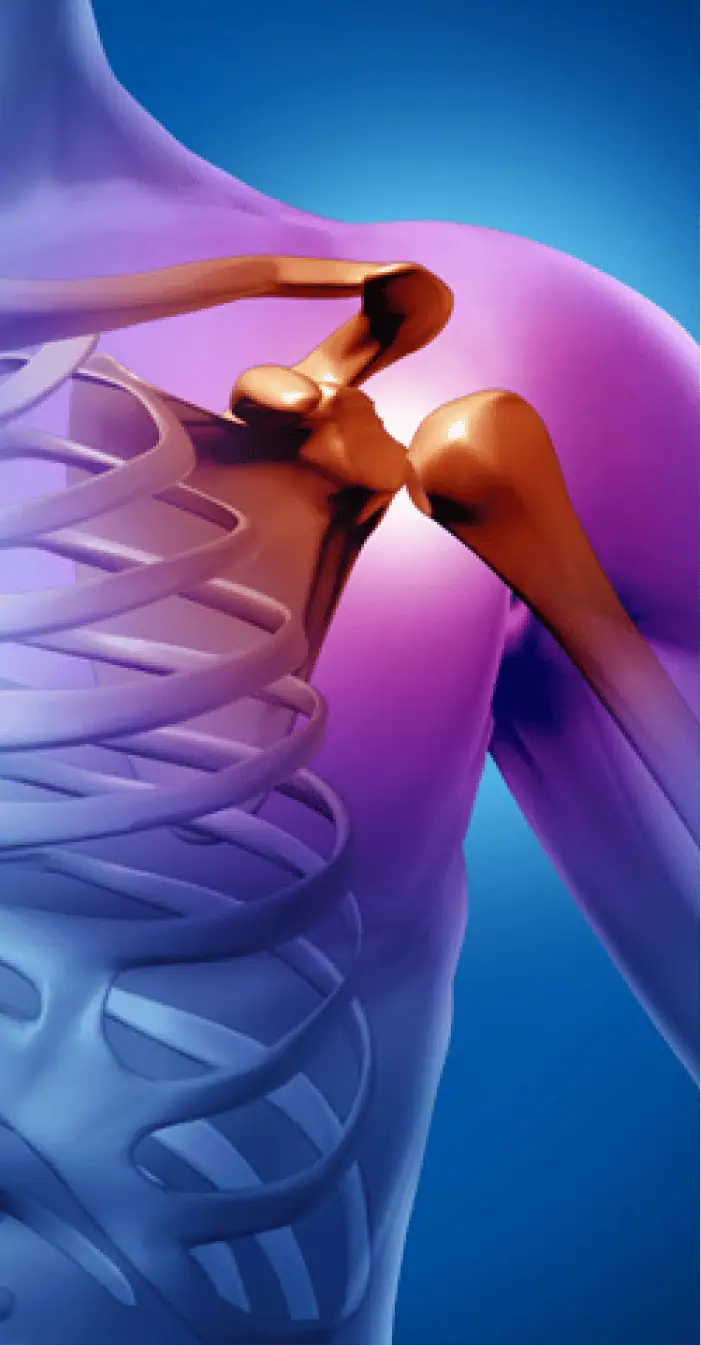
Ignoring it won't make it go away. The sooner you seek treatment, the better your recovery will be.

Non-surgical shoulder treatments
Platelet-rich plasma for shoulder injuries
Platelet Rich Plasma (PRP), also known as autologous growth factor therapy (AGFT).
PRP is obtained by drawing a small amount of blood from the patient, processing it to concentrate the platelets and then injecting the concentrated platelets into the injured area. The platelets release growth factors that can help stimulate healing and tissue regeneration.
PRP is considered a safe and effective treatment option for rotator cuff injuries.
In general, studies have shown that PRP is as effective as surgery in treating rotator cuff injuries.
In general, studies have shown that PRP is as effective as surgery in treating rotator cuff injuries.

Stem Cell Therapy
• Stem cells for shoulder degeneration
• Stem cells for shoulder injuries
Stem cells release growth factors that stimulate the proliferation of healthy cells and the repair of damaged tissues, including tendons, ligaments, and cartilage.
• Stem cells for shoulder injuries
Stem cells release growth factors that stimulate the proliferation of healthy cells and the repair of damaged tissues, including tendons, ligaments, and cartilage.
Shoulder infiltration
This is a procedure in which a mixture of drugs, such as a local anaesthetic and a corticosteroid, is injected directly into the shoulder joint to relieve pain and inflammation.

Other treatment without shoulder surgery
Preguntas más comunes sobre cirugía de hombro
Recovery from shoulder surgery can take several weeks to several months.
After shoulder surgery, the patient can expect to be in a sling or splint for a period of time that can vary from a few weeks to several months, depending on the type of surgery.
The costs of shoulder surgery can range between 20,000 and 100,000 Mexican pesos.
Some of the common conditions that may require shoulder surgery include:
- Rotator cuff injuries: If a rotator cuff injury is severe and does not respond to other treatments such as physical therapy, corticosteroid injections, and pain medications, surgery may be necessary.
- Shoulder instability: If the shoulder dislocates or moves out of place frequently, surgery may be needed to stabilize the shoulder joint.
- Shoulder arthritis: If shoulder arthritis is severe and does not respond to other treatments, joint replacement surgery may be necessary.
- Fractures of the humerus: If a fracture of the humerus is severe and the bone cannot heal on its own, surgery may be needed to fix the bone with plates, screws, or other devices.
Like any surgical procedure, shoulder surgery carries certain risks. However, in the hands of an experienced surgeon and with a multidisciplinary team approach, the risks can be minimized and the operation can be safe and effective.
Here are some tips to help you sleep after shoulder surgery:
- Use pillows for shoulder support: Place one pillow under the arm and one under the elbow of the operative shoulder to keep it elevated and prevent it from moving while you sleep.
- Use a pillow for your head and neck: An extra pillow under your head and neck can also help take pressure off your shoulder and make you more comfortable.
- Avoid sleeping on your stomach or side: Sleeping on your stomach or side can increase pain and discomfort in the operated shoulder. Try sleeping on your back with pillows under your arm and elbow.
- Take pain relievers before bed: Taking prescription pain relievers before bed can help reduce pain and make you more comfortable while you sleep.
- Practice deep breathing and relaxation: Deep breathing and relaxation can help you calm down and reduce stress and anxiety related to pain and discomfort. This can make it easier to fall asleep.
Here are some tips for bathing after shoulder surgery:
- Follow your doctor's instructions: Your doctor will give you specific instructions about when you can bathe after shoulder surgery and what precautions to take.
- Keep the operated area dry: It is important to keep the operated area dry to avoid infection. Use a plastic bag or waterproof cover to cover the operated arm and shoulder while bathing.
- Use warm water: Use warm water instead of hot water to avoid irritating the operated area.
- Avoid rubbing the operated area: Avoid rubbing the operated area with a towel or sponge. Instead, let the water flow over the operated area gently.
- Use mild soaps: Use mild, fragrance-free soaps to avoid irritating the skin in the operated area.
- Be careful when getting out of the bath or shower: Be careful when getting out of the bath or shower as it can be slippery. Ask for help if necessary.
Don't let shoulder pain limit your daily life
Orthopedic Trauma Specialist Near Me
5 locations in Guadalajara and Tijuana
to provide care at the location that works best for you
Tijuana, B.C.
HOSPITALES MAC TIJUANA Consultorio 21 y 22 Vía Rápida Ote 15000 Chapultepec Alamar 22110 Tijuana BC
Tel: +52 33 1025 9669